
Overview
Location
Victoria, Australia
Year
2025
Sector
Methods
Microgravity data analysis
3D modelling and interpretation
Desktop geophysical consultancy
Background
GBG Group Australia was engaged to undertake an independent review of a previously acquired microgravity dataset over a proposed redevelopment area impacted by historic mining activity. Existing information suggested the presence of legacy mine workings, however there was a need to validate the quality of the dataset and improve confidence in the interpretation.
The project formed part of a broader investigation program, with the aim of extracting maximum value from available data prior to considering additional intrusive or geophysical works.
Objective
To review and interpret existing microgravity data to identify potential historic mine workings and support informed decision-making without the need for additional field acquisition.
Methods
GBG completed a detailed desktop review of the microgravity survey, including assessment of acquisition methodology, processing workflows, and final deliverables.
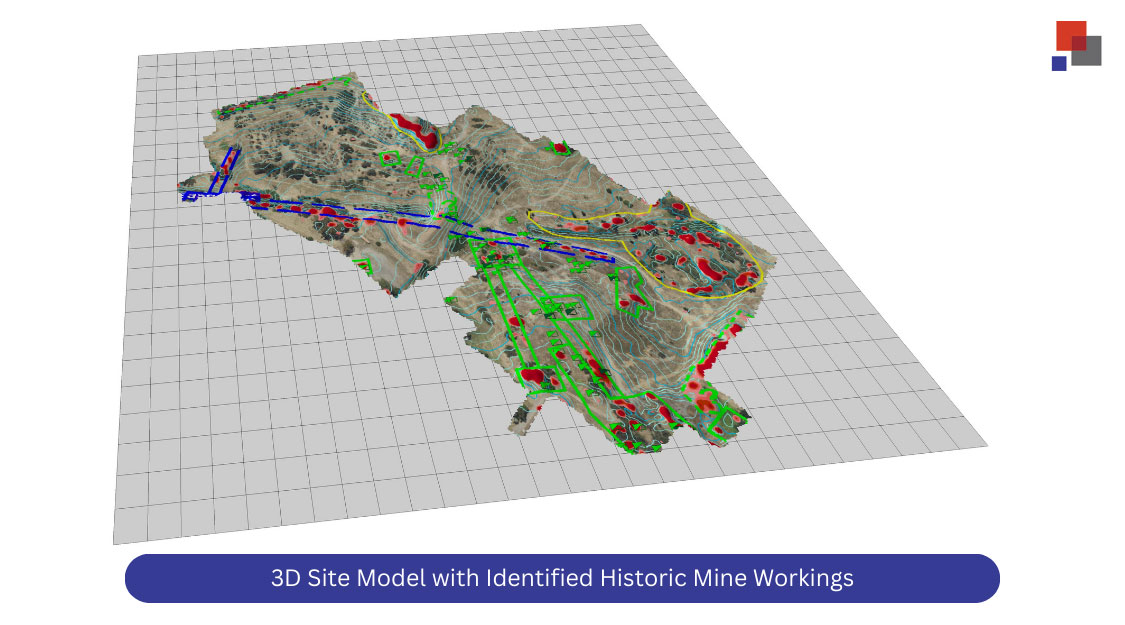
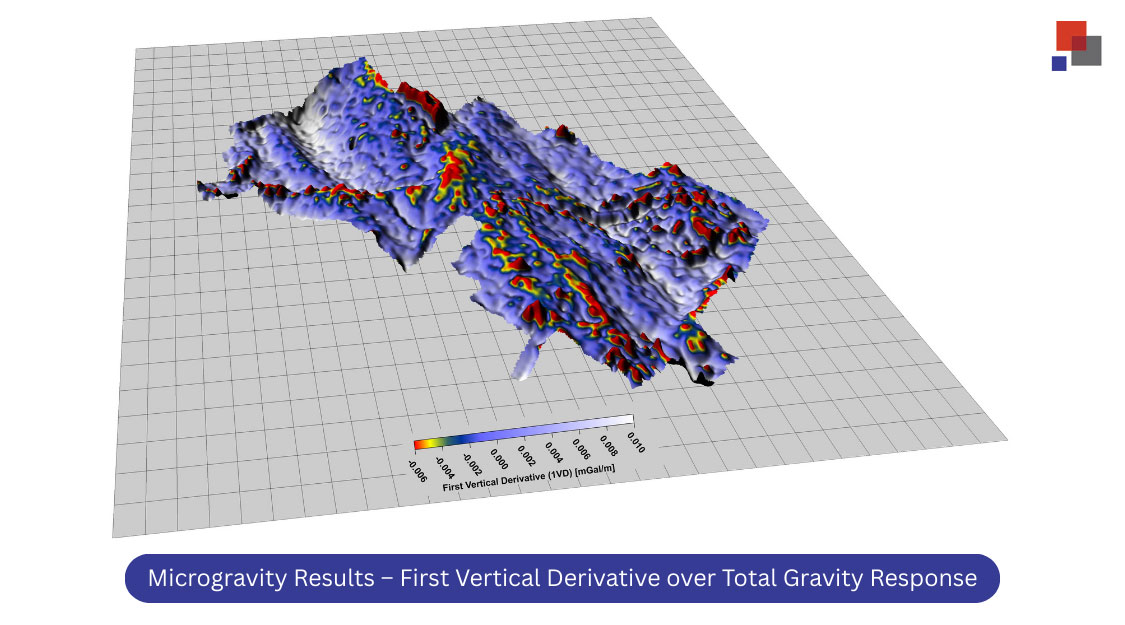
The dataset, comprising closely spaced gravity measurements, was analysed through residual and derivative outputs to enhance subtle variations in the gravity response. These results were then interpreted alongside available historical information and incorporated into a 3D model to assist with visualisation of potential subsurface features.
Outcome
The review confirmed that the dataset was of a high quality and suitable for interpretation. Analysis identified a number of localised gravity anomalies consistent with potential historic mine workings and zones of disturbed ground.
Correlation between the geophysical response and historical records improved confidence in the interpretation and provided a clearer understanding of potential subsurface risks.
The project demonstrated how targeted geophysical consultancy and modelling can deliver meaningful insights from existing datasets, helping guide future investigation and reduce uncertainty without requiring additional fieldwork.


